

Pune: When people think of dental implants, they often think of a better smile. But in patients who have lost most or all of their teeth, full-mouth implants are not just cosmetic. They can restore one of the most essential functions of healthy ageing: the ability to chew properly.
Chewing is the first step of digestion. When teeth are missing, damaged, painful, or replaced by loose dentures, patients slowly begin changing the way they eat. They avoid raw vegetables, fruits, nuts, salads, chapatis, fibrous foods, and protein-rich items because these require effort. Over time, their diet becomes softer, easier to swallow, and often more carbohydrate-heavy. This can affect nutrition, muscle strength, digestion, energy levels, and overall quality of life.
This is where the idea of “functional age” becomes important. Chronological age is the number of years a person has lived. Functional age is how well the body performs in daily life. Can the person eat comfortably? Can they speak clearly? Can they maintain nutrition? Can they attend social functions without embarrassment? Can they remain active, confident, and independent?
Full-mouth implant rehabilitation can help recover many of these lost functions. Unlike removable dentures, implant-supported teeth are fixed to the jawbone. This gives better stability, stronger bite confidence, and improved chewing efficiency. For many patients, the change is not limited to eating. They begin speaking more clearly, smiling more openly, and participating socially without the fear of dentures slipping or food getting trapped.
Scientifically, it would be wrong to say implants make a person younger. They do not reverse ageing. But they can restore a level of oral function that may have been lost slowly over 8 to 10 years. A patient who has spent years eating only soft food may regain the confidence to chew more naturally and include a wider range of nutritious foods again. In practical life, this can feel like gaining back 10 years of functional ability.
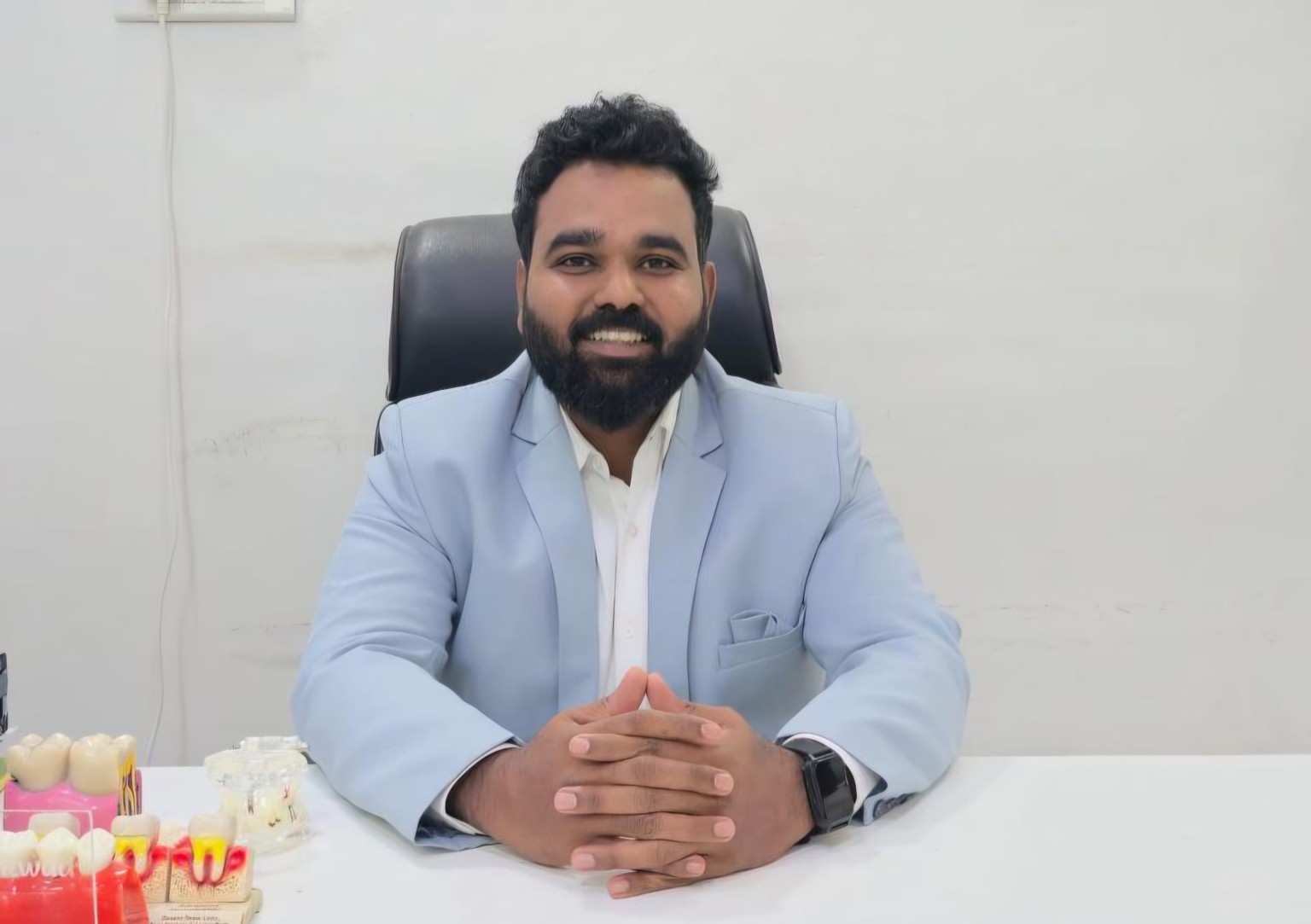
“Full-mouth implants should not be seen only as smile correction,” says Dr. Preyas Gaikwad. “They are a form of functional rehabilitation. When chewing improves, patients often become more open to better nutrition, better social participation, and better daily confidence. The aim is not only to replace missing teeth, but to restore the patient’s ability to live normally.”
The ageing connection is also linked to oral frailty. As people grow older, oral strength can decline. Chewing, swallowing, tongue movement, saliva flow, and bite force may all reduce. This can contribute to poor nutrition, reduced muscle mass, physical weakness, and lower confidence. When oral function is restored, it supports the larger goal of healthy ageing.
However, full-mouth implants require careful planning. Bone levels, gum health, diabetes control, smoking history, bite balance, oral hygiene, and long-term maintenance must be evaluated before treatment. Implants are not a quick fix, and they are not suitable for every patient without proper assessment.
The real value of full-mouth implants lies beyond appearance. They restore chewing, speech, nutrition, confidence, dignity, and independence. In ageing, that is not vanity. That is function. And sometimes, restoring function can change how old a person feels in everyday life.

Comments are closed.